

A new puppy is a fantastic playmate to bring home to your family. Puppies are energetic, curious, and eminently teachable, so helping them learn and grow is as rewarding as it is challenging. This is a critical stage of development, and as such, it’s important to make sure you’re teaching them good play habits. The puppy you start training today will take those lessons into adulthood, and if you teach them the wrong habits when they’re young, those behaviors will become more difficult to manage when they’re big and strong.
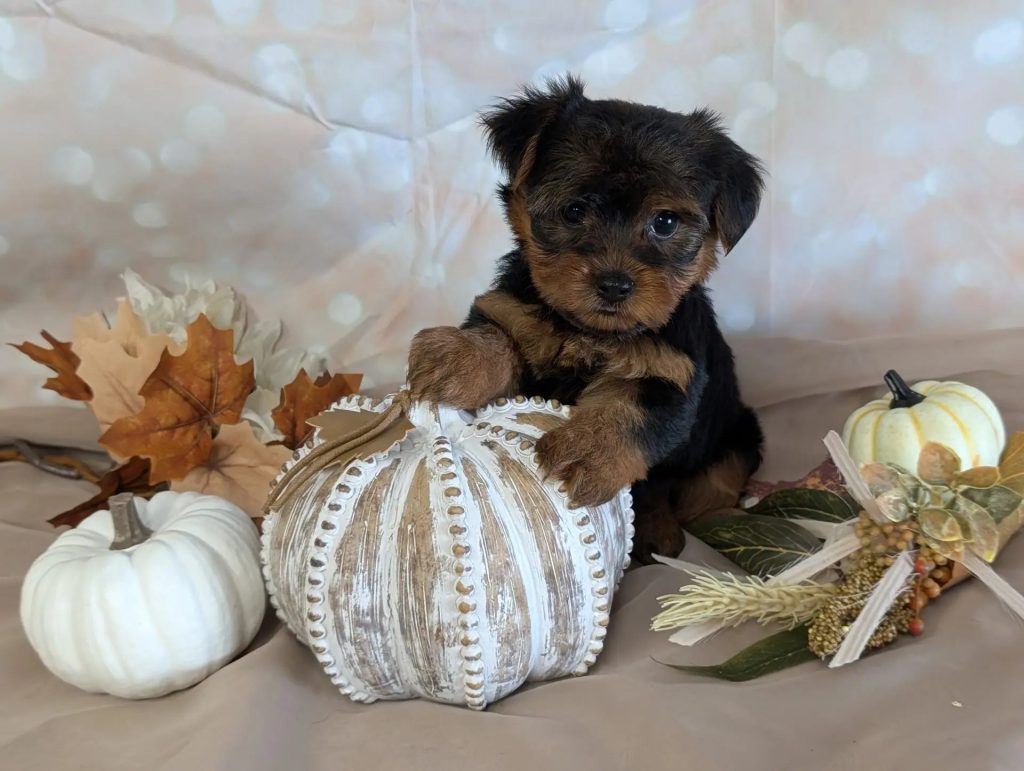
There’s no end to the games you can play with your puppy, but the play methods you use may have ramifications later in your dog’s life. You want to make sure you establish boundaries and safe habits while they’re still small.
Be Careful Using Hands and Feet
While it may be tempting to roughhouse with your dog, there are risks associated with it. Puppies are only small for so long before those rough play methods you taught them while they were still relatively harmless start to become painful and even potentially dangerous. Every time you do something with your puppy, you’re teaching them to associate certain things and incentivizing them to behave accordingly.
A common mistake new dog owners make is playing rough with hands and feet. If you play in this manner with your puppy, your puppy will come to associate hands and feet with toys. Since dogs engage with their toys primarily through chewing, teaching them to view hands and feet as toys may lead to painful bites and scratches later in life. Dogs don’t know their own strength the way humans do, so even if they mean you and your children no harm, play itself can become a hazard if you don’t establish firm rules of engagement early on.
Games of Chase
Anyone who has ever owned a puppy will agree that they don’t understand the difference between things they’re allowed to chew and things they are not, unless the distinction is taught to them. When a puppy is chewing on something they’re not supposed to, new dog owners frequently make the mistake of chasing after them and trying to take the object back by force. Reacting to this behavior with anger confuses and frightens dogs, but even reacting with humor can teach them bad habits.
When you try to snatch an object from the mouth of a dog who doesn’t want to give it up, the dog will run and try to keep the object away from you. Chasing after them then turns it into a game from their perspective, and instead of getting the object back, you only prolong the ordeal. This is especially problematic if the dog is holding an object that’s dangerous to them.
Instead of chasing after the dog, experts recommend distracting the dog with something they are allowed to chew on, like a toy or a bone. Using some other method to draw the dog to you instead of driving them away is also recommended.
Be Mindful of the Objects They’re Allowed to Play With
Because puppies will chew anything, you must put that much more effort into keeping a watchful eye on them. While it may be fun to see what objects puppies are attracted to during play time, letting them chew on household objects that aren’t made for them can pose a health risk.
Pillows and plastic bottles, for example, are a favorite plaything for dogs, but these objects are easily torn apart into smaller pieces, and therefore, they present choking and digestive hazards that can be deadly.
Pauley’s Pups finds loving homes throughout Ashland, VA for puppies and toy dogs of many breeds. Get in touch with us at 804-798-7877 to learn more about us.
Leave a Reply