

Bringing a new puppy home is an exciting milestone, but potty training can take patience, consistency, and a little trial and error. When you’re welcoming a puppy or another small-breed companion, establishing good bathroom habits early can make your life easier and help your dog acclimate to his or her new surroundings. The key is to create a predictable routine, reward the right behavior, and help your puppy understand exactly where to go.
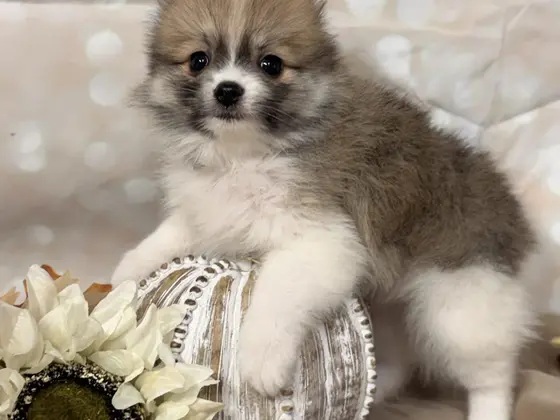
How Often Should You Take Your Puppy Outside to Potty?
Young puppies have small bladders and are still developing the ability to control when they urinate. Toy breeds may need especially attentive scheduling because of their small size. Rather than waiting for your puppy to indicate that they need to go outside, give them frequent opportunities. A good starting point is to take your puppy outside every one to two hours while awake, adjusting the schedule based on their age, habits, and progress. Very young puppies may need even more frequent trips, and overnight bathroom breaks may also be necessary.
Take your puppy outside first thing in the morning and immediately after naps, shortly after eating or drinking, after playtime, whenever you notice restless behavior like sniffing and circling, and right before bedtime. If accidents happen repeatedly, shorten the interval between trips rather than expecting your puppy to hold it longer.
How to Reward Your Puppy for Successful Potty Training
The most important rule is timing. Reward your puppy immediately after they finish urinating or defecating in the designated area. Offer enthusiastic but calm praise and a small, puppy-appropriate treat.
You can also introduce a simple verbal cue, such as “go potty.” Say it calmly when you arrive at the designated spot, then praise your puppy after they finish. With repetition, your puppy may begin associating the phrase with the expected behavior. Keep bathroom trips focused. Give your puppy a few minutes to sniff and investigate, and be sure to save playtime for after they’ve gone. This helps them learn that bathroom breaks have a purpose without making outdoor time feel like a punishment.
Accidents are a normal part of learning. If you catch your puppy beginning to go indoors, calmly interrupt them and guide them to the appropriate spot if possible. If you discover a mess afterward, clean it thoroughly and continue with your routine. Never yell at your puppy or punish them for an accident, as fear can interfere with learning and make them reluctant to go in your presence.
How to Create a Designated Potty Area Indoors or Outdoors
Consistency helps your puppy learn where bathroom breaks should happen. Choose a specific location and guide your puppy there every time, using the same route and door whenever possible. If you have a yard, select a relatively quiet, accessible outdoor spot. Take your puppy there on a leash and wait patiently while they sniff and explore. Once they finish, offer a reward. Keep the area clean so it remains a pleasant place for regular bathroom breaks.
If you live in an apartment or cannot always reach an outdoor area quickly, an indoor potty station may be a practical alternative. Choose one low-traffic location with an easy-to-clean floor, away from food, water, and bedding. A puppy pad or designated grass-style potty tray can help distinguish the bathroom area from the rest of your home. If your long-term goal is outdoor potty training, establish that habit from the beginning whenever practical. When transitioning away from indoor pads, move gradually and continue rewarding outdoor success.
Build Lasting Potty Training Habits with Patience
Even with a consistent schedule, potty training takes time. Some puppies catch on quickly, while others need several weeks or longer to develop reliable habits. Small-breed puppies may need frequent bathroom opportunities, so setting realistic expectations is particularly important when bringing home a toy dog.
If progress stalls, return to the basics: more frequent breaks, close supervision, a consistent bathroom location, and immediate rewards for success. If your puppy suddenly starts having accidents after previously doing well, or shows signs such as straining, blood in the urine, or unusual urinary frequency, consult your veterinarian to rule out a medical issue.
Pauley’s Pups introduces puppies and toy dogs to families throughout the Ashland, VA area. Get in touch with us at 804-798-7877 for more information.
Leave a Reply